Muse Image — Meta's Agentic AI Image Model
Muse Image is the still-image twin of Muse Video. It generates and edits images with agentic tool use, search grounding, and self-refinement — sharing the same pretraining base as Muse Video.
What is Muse Image?
Muse Image is Meta's agentic AI image model — and the twin of Muse Video. Both launched from Meta Superintelligence Labs and share the same pretraining base. Where Muse Video generates motion with native audio, Muse Image generates and edits still images. If you are here from the video side, think of Muse Image as the model that produces the frames Muse Video brings to life.
This is an independent, unofficial page. muse-video.pro is not affiliated with Meta; Muse Image and Muse Video are Meta products, coming soon to creators and Meta AI. Figures are time-stamped as of July 5–7, 2026.
Agentic image generation and tool use
What makes Muse Image agentic is that it does not just paint pixels in one pass — it can use tools while it works. Muse Image plans, calls capabilities, and composes a result, which is why it holds up on complex prompts with text, layout, and multiple subjects. This tool-use behavior is the image-side counterpart to the reasoning Muse Video applies across time.
Search grounding
Muse Image can ground a generation in search. When a prompt references a real identity, brand, landmark, or fact, search grounding measurably improves the result — Meta's internal ablations show large win-rate gains for identities, brands, landmarks, and facts when search is used versus not. That grounding is what keeps Muse Image accurate on the details a purely from-memory model would guess at.
Self-refinement
Muse Image also self-refines: it can critique a draft and revise it, an emergent behavior that raises win rates across text-to-image, single-image edit, and multi-image edit. Combined with more test-time compute, self-refinement pushes Muse Image's Elo higher — the same test-time-compute scaling story documented on the benchmarks page.
Editing and multi-image composition
Beyond generation, Muse Image edits. It handles single-image edits and multi-image composition — merging references, preserving a subject across edits, and following precise instructions. That same reference control is what Muse Video draws on for image-to-video, animating a still while keeping its composition intact.
Muse Image and Muse Video
The short version: one pretraining base, two models. Read what Muse Video is, try the free Muse Video generator, or explore text-to-video and image-to-video to see how the image twin's frames become video with native audio.
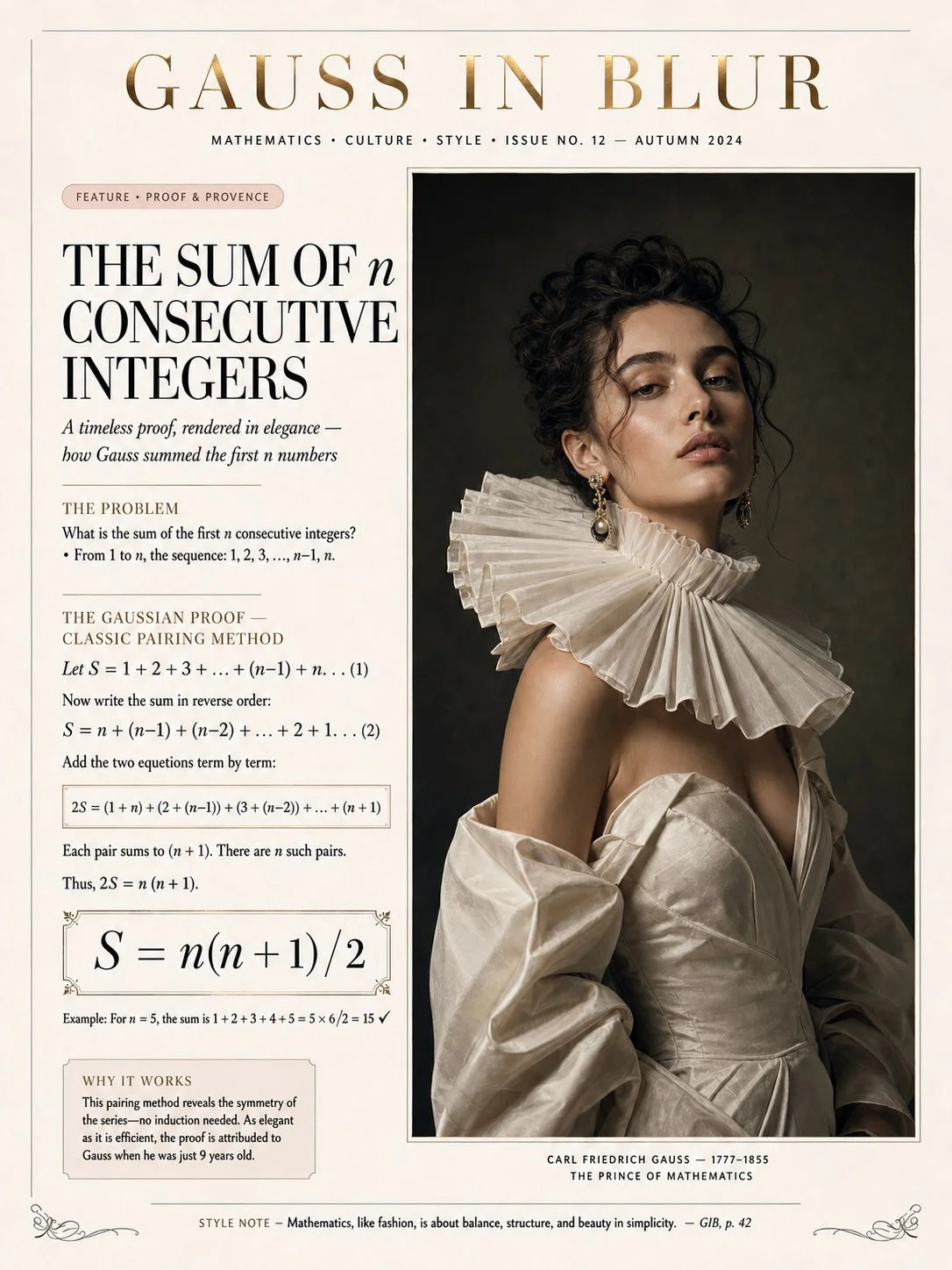
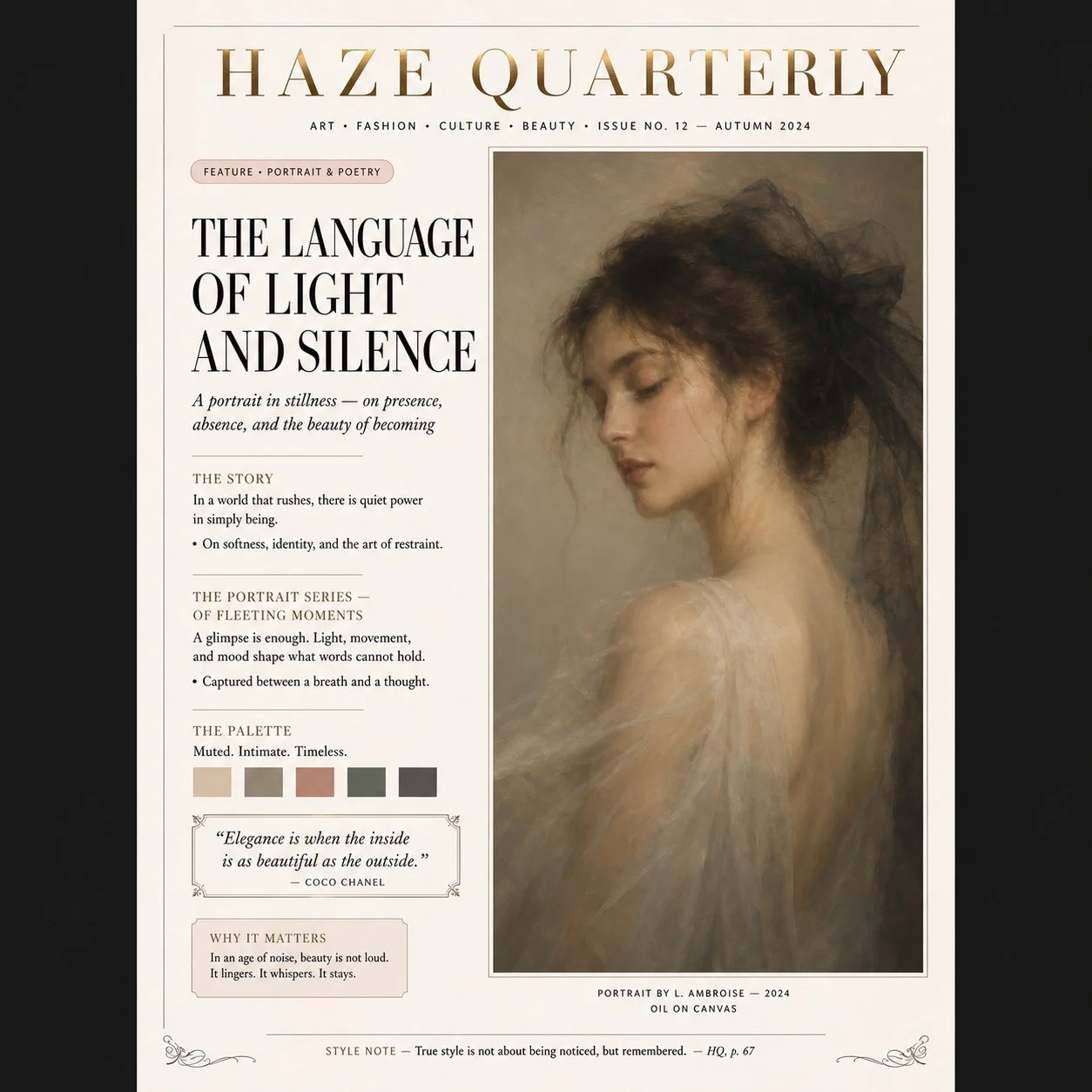
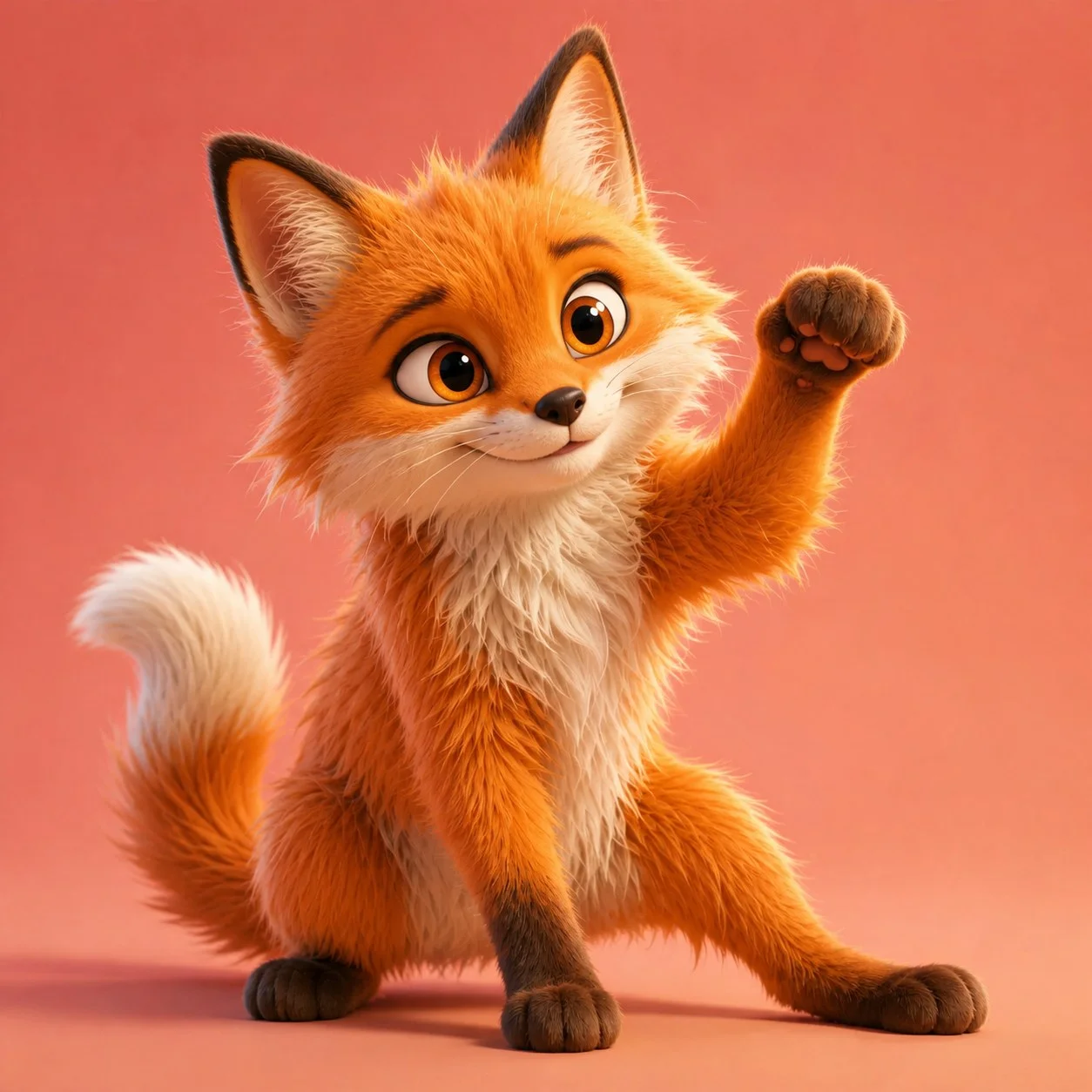
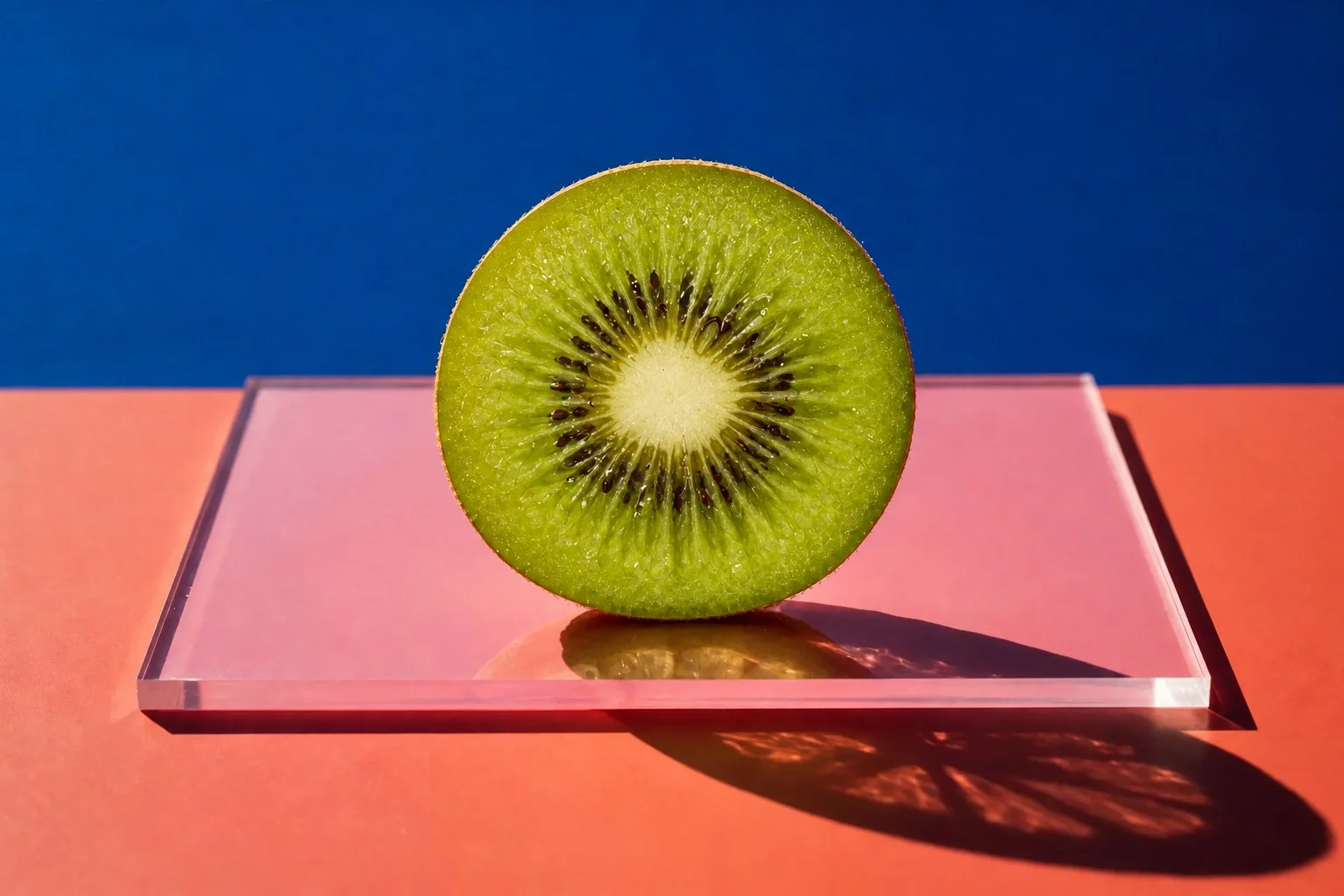
Muse Image samples
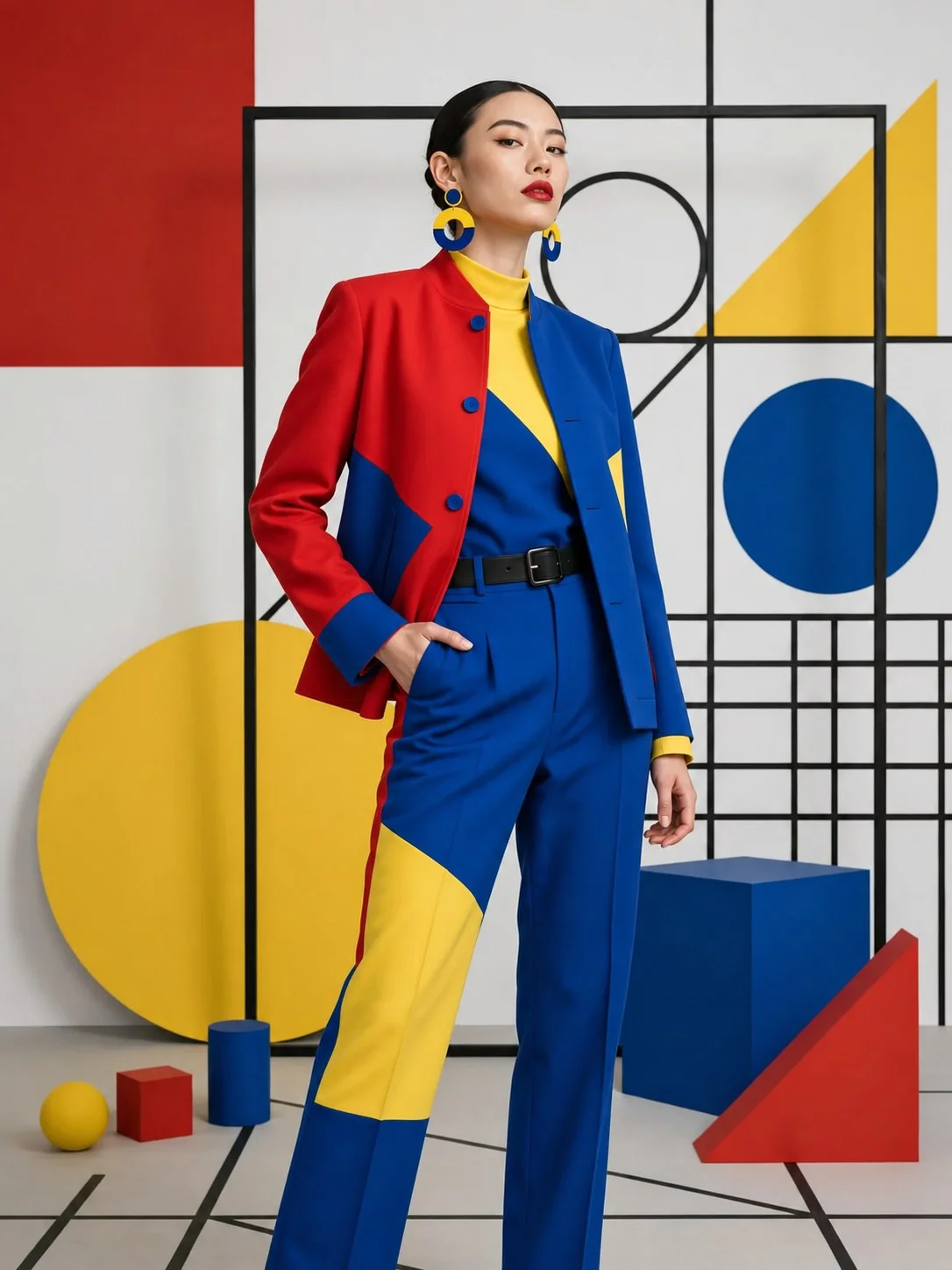
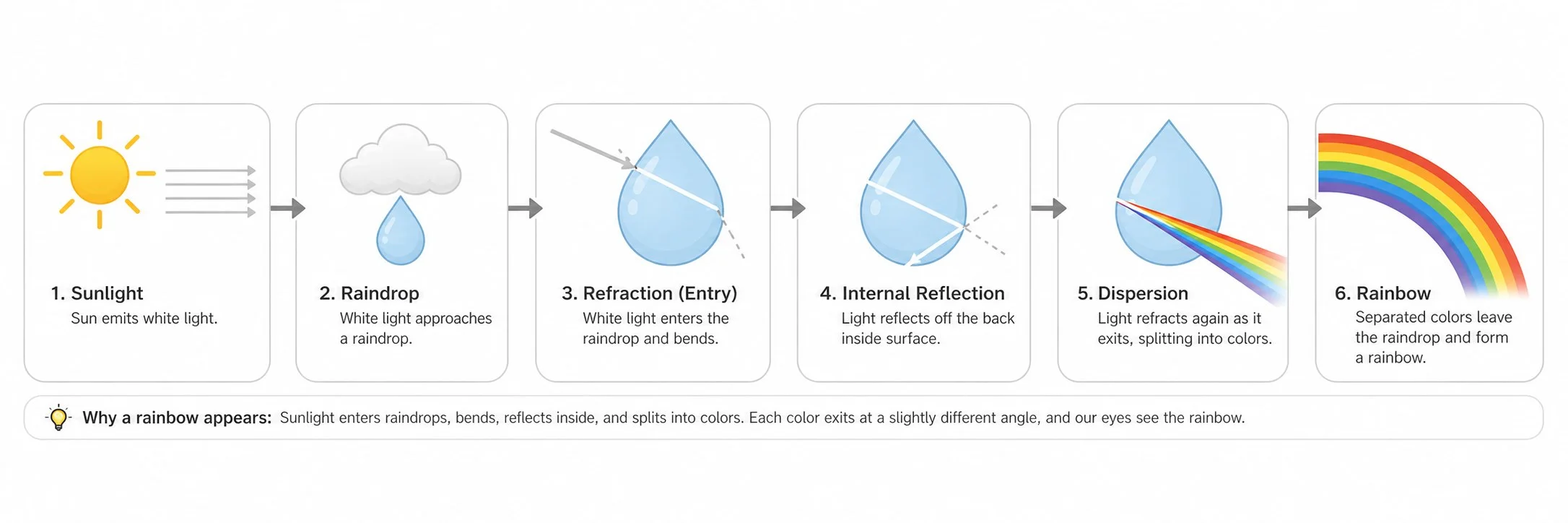
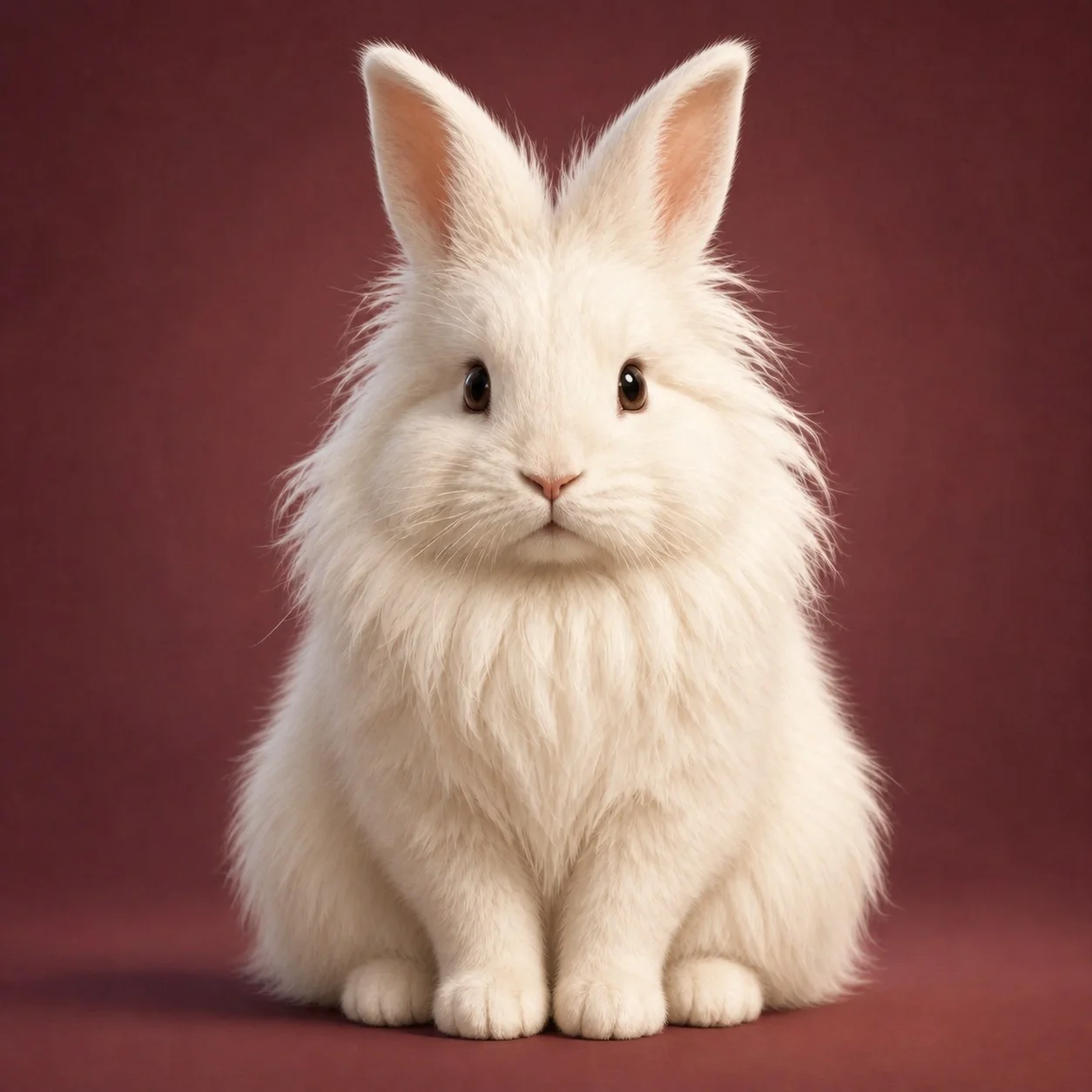
Real Muse-Image-style stills — the breadth of what the image twin of Muse Video can generate.

Muse Image FAQ
Muse Image is Meta's agentic AI image-generation and editing model, the still-image twin of Muse Video. It generates and edits images with tool use, search grounding, and self-refinement, and shares a pretraining base with Muse Video.
Muse Image makes and edits still images; Muse Video makes video with native audio. They share the same pretraining base, so the visual quality is consistent across both.
Muse Image ranks No. 2 on Arena for text-to-image and image editing as of July 5, 2026, and improves further with search, self-refinement, and additional test-time compute.
From still image to video
See how Muse Image's frames become video — generate a real AI visual and animate it, free.
Try Free